Events 0
En
Ua
Events 0
Search result:
Multifactor Authentication: What It Is and Why One Password Is No Longer Enough- image 1

Multifactor Authentication: What It Is and Why One Password Is No Longer Enough

Did you know that over 80% of corporate data breaches worldwide occur due to compromised, weak, or repeated passwords? In modern cybersecurity, the classic concept of protection with just a text key is considered completely obsolete by experts. Malicious actors daily use advanced phishing, brute force, and social engineering techniques to easily bypass standard barriers. From this article, you will learn how to protect commercial data, what technologies leading IT manufacturers use, and why reliable identity verification has become the main condition for business survival in the digital environment.
Multifactor Authentication: What It Is and Why One Password Is No Longer Enough - image 1
Evolution of Cyberattacks

The End of the Simple Password Era

In the past, creating a long string of characters was enough to protect an account. Today, the situation has drastically changed, as hackers’ computing power has grown exponentially. Even the most complex password can be stolen due to a large-scale data breach from a third-party service where an employee used similar credentials.

When an attacker gains initial access, the entire IT infrastructure of the enterprise is at risk. Basic static user authentication can no longer guarantee that it is indeed your employee behind the device screen, not an outsider. A reliable barrier requires a comprehensive technological approach, dividing access rights based on dynamic factors.

Basics

What is Multi-factor Authentication (MFA)

To minimize such risks, the concept of multi-tier verification was developed. Simply put, multi-factor authentication is a method of identity confirmation where the user must simultaneously provide two or more independent proofs of their rights. This advanced security technology significantly reduces the likelihood of unauthorized access to the corporate network.

Full-fledged multi-factor authentication is not just sending an SMS code. Modern multi-factor authentication is a deep analysis of login context, including biometrics, geolocation, and device security checks. If a basic password is compromised, multi-factor authentication becomes a reliable tool that will block the attacker at the next stage of verification. This is why multi-factor authentication is a mandatory cybersecurity hygiene standard. Thanks to this, multi-factor authentication is an investment in the continuity of a company’s business processes. Experts emphasize: multi-factor authentication is the foundation without which it is impossible to build a modern information security system.

Protection Level

What is the Difference Between 2FA and MFA

Many IT specialists and managers often confuse these two similar terms, yet there are fundamental differences between them. Examining the parameters of 2FA and MFA, the difference lies in the number of security layers used and the flexibility of settings. Two-factor authentication (2FA) is a simpler, basic form of protection, strictly requesting two confirmations: for example, a password and a one-time code.

When analyzing the criterion of 2FA and MFA difference, a multi-factor approach offers a much more adaptive scenario. Implementing solutions that consider 2FA and MFA differences, businesses gain the ability to analyze user behavior, their current location, request time, and even operating system parameters. Understanding what constitutes the difference between 2FA and MFA helps IT directors choose more intelligent systems, dynamically altering the strictness of verification depending on the criticality level of the requested data.

Effective Protection

Technical Essence and Operation of Modern MFA Systems

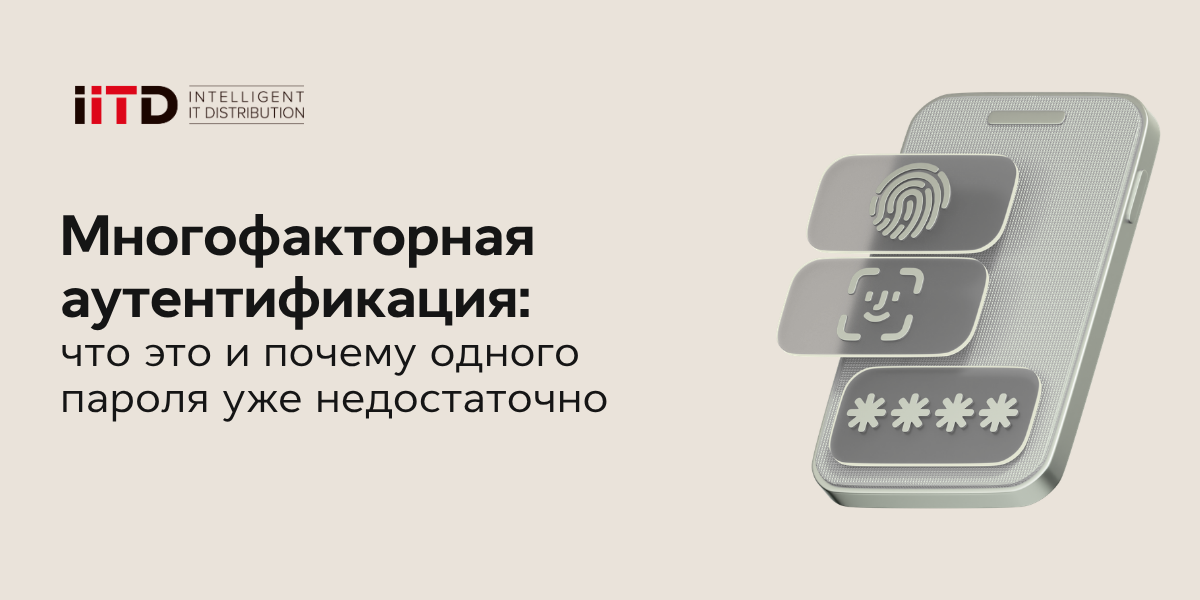
To better understand the verification processes, it is important to grasp the internal logic of security systems. Essentially, MFA is a reliable mechanism combining three main types of factors: knowledge (password), possession (hardware token or smartphone), and inherent (fingerprint or face). When the Zero Trust concept is implemented, the MFA architecture is the main tool for verifying each network connection request.

Effective MFA account protection ensures that even the successful interception of one factor will not allow a hacker to launch an attack within the perimeter. Modern adaptive MFA is an invisible shield that does not burden employees with unnecessary actions if they work from trusted devices. At the same time, corporate MFA is an instant alert for the administrator at the attempt of a suspicious login. Today, MFA is a recognized protection standard because configured authentication is a barrier that neutralizes automated bot attacks. On a global scale, multi-factor authentication is a key element in reducing human error risks. Any corporate strategy confirms that MFA is a starting point for protecting critical infrastructure.

Risk Monitoring

Why Adaptive User Authentication Is Important

Security should not harm team productivity. Modern intelligent user authentication is built on principles of contextual analysis. The system assesses risks in real-time: if a manager logs into the corporate CRM system (Customer Relationship Management) from the office during business hours, the check will be minimal.

However, if user authentication is initiated at night from another country, the platform will automatically request additional verification factors. This flexible approach allows maintaining a balance between strict security and employee comfort. Protection of corporate access becomes dynamic, promptly responding to any behavior anomalies within the IT perimeter.

Key Advantages

Effective Implementation of MFA for Business

Transitioning to new security standards requires a systematic approach. By choosing a quality MFA solution for business, management ensures comprehensive protection of workplaces, cloud services, and local servers. Specialized MFA platforms for businesses easily scale to fit any organization size.

By integrating multi-factor authentication for business, a company gains a centralized control panel for monitoring all access requests. This allows for timely identification of compromised employee accounts before they cause damage. Investing in MFA for business not only minimizes financial risks but also ensures full compliance with international regulatory requirements in the field of personal data protection.

Reliable Distributor

Comprehensive Cyber Solutions from iIT Distribution

Building a resilient IT architecture is impossible without expert support. iIT Distribution is a leading distributor of effective cyber solutions, specializing in the design, implementation, and support of advanced information security systems. We offer the market comprehensive tools for all-around protection of the corporate sector.

Experts at iIT Distribution help organizations implement modern protection strategies, deploying technologies from global IT industry leaders. We ensure the selection of solutions for reliable account protection, guaranteeing their seamless integration into the customer’s existing infrastructure. By interacting with iIT Distribution, you gain a reliable technological partner for combating all modern digital threats.

Conclusion

Reliable Corporate Access Protection

Using only traditional passwords in the era of advanced cyber threats is a critical risk for any company. Full-fledged multi-factor authentication has ceased to be an option for select corporations, transforming into a mandatory element of IT infrastructure. Implementing multi-factor authentication neutralizes most attack vectors, ensuring management’s peace of mind and client security.

Protect your business from unforeseen incidents – consult with iIT Distribution specialists to select and test the optimal access control system today.

NEWS

Current news on your topic

All news
All news